Closed Loop Chiller System Models
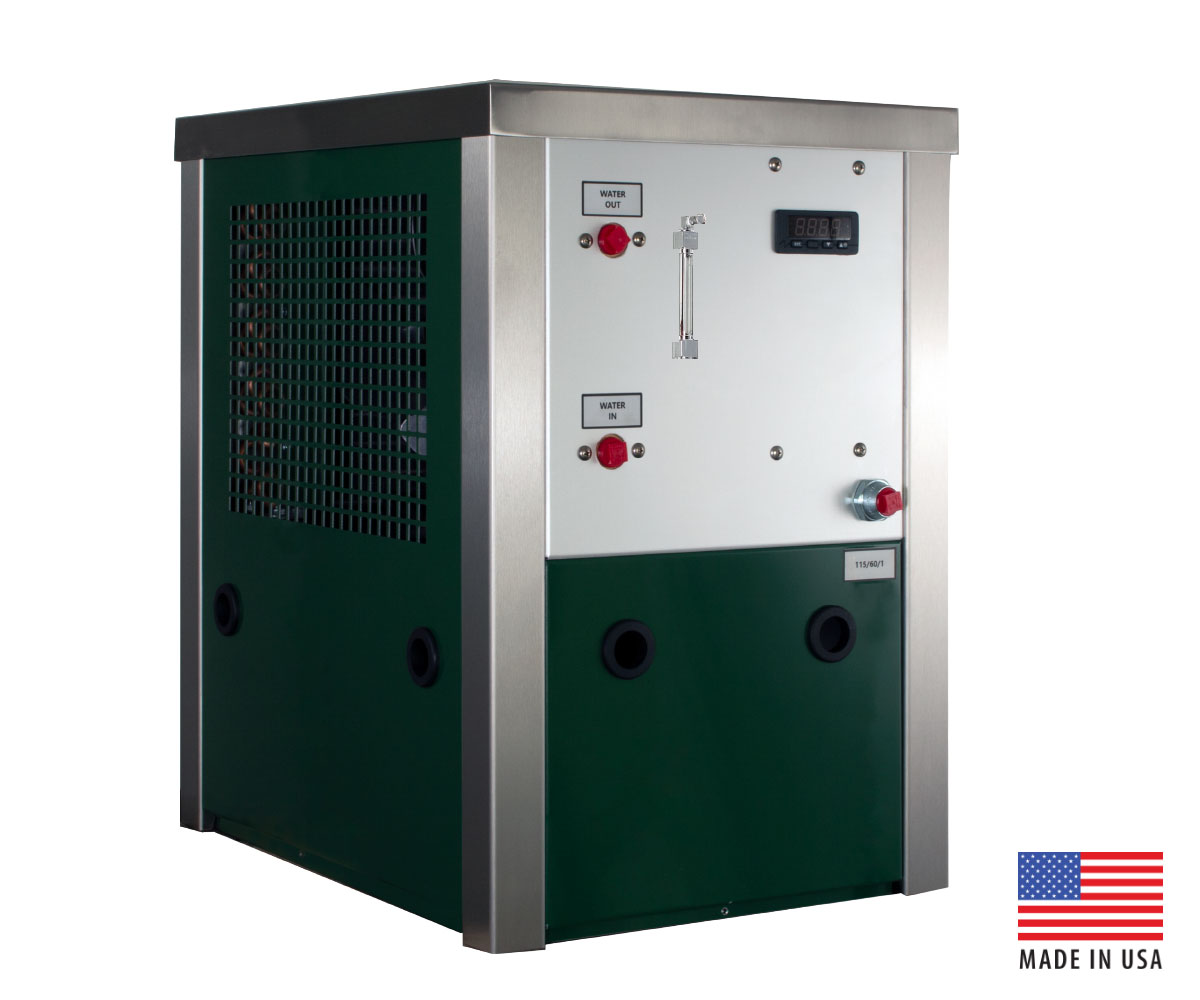
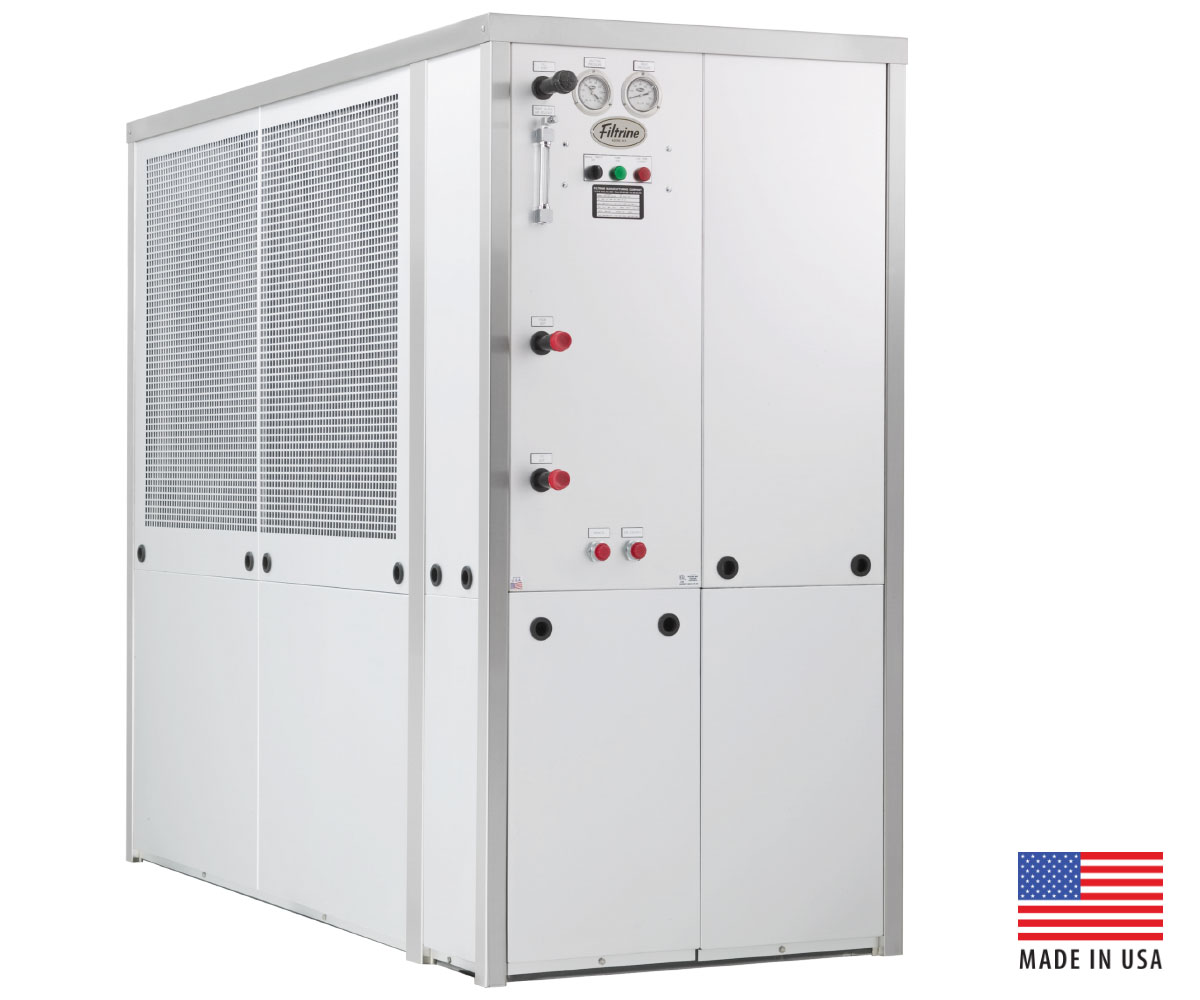
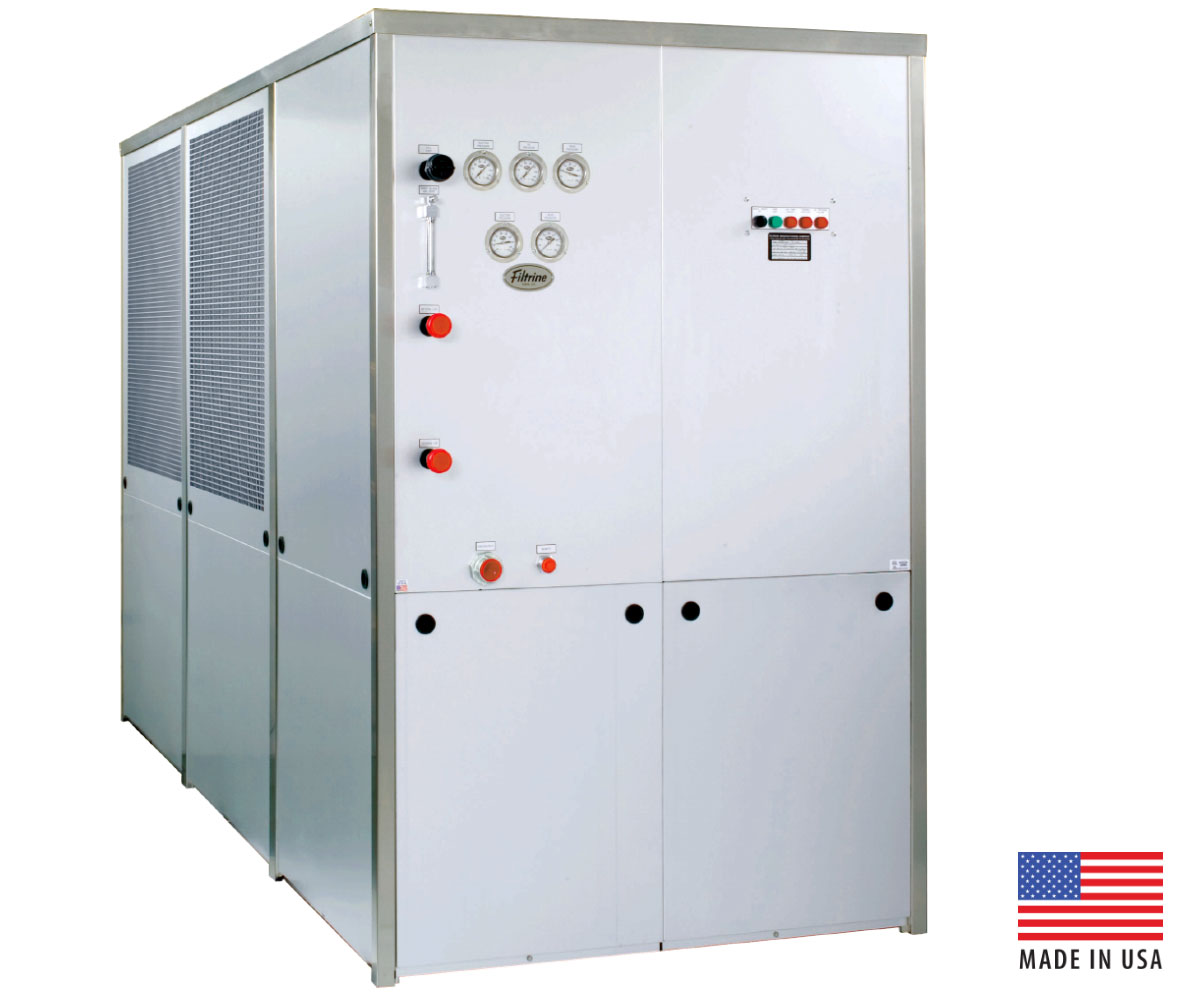
Closed Loop Chiller Systems Built for Critical Performance
Precision Cooling for Mission-Critical Equipment
Filtrine closed loop chillers provide dependable temperature regulation for applications where equipment uptime and thermal consistency are non-negotiable. Unlike open loop systems, closed loop chillers continuously circulate coolant through a self-contained circuit, eliminating exposure to external water sources and contaminants.
This sealed-loop configuration ensures stable coolant quality, reduced fouling risk, and better system longevity—making Filtrine closed loop chillers the solution of choice for healthcare, manufacturing, laboratory, and industrial environments.
Key Advantages of Filtrine Closed Loop Chillers
- Self-contained system protects internal components from scale, corrosion, or biological growth
- Greater equipment protection with filtered, deionized, or glycol-based coolants
- Custom-engineered systems to match precise flow rates, heat loads, and environmental conditions
- Reduced water waste thanks to full recirculation and no reliance on city or tower water
- Extended lifespan due to premium components and non-ferrous construction
Closed Loop Cooling for Specialized Applications
Trusted in Demanding Industries
Filtrine closed loop chillers are engineered to support highly regulated and high-value equipment. Industries that rely on this technology include:
- Healthcare Facilities: MRI, PET, and linear accelerator cooling
- Aerospace and Defense: Radar, avionics, and laser cooling
- Precision Manufacturing: CNC spindles, EDM machines, and high-speed automation
- Pharmaceutical and Biotech: Cooling for cleanrooms, batch reactors, and sensitive instruments
- R&D Laboratories: Thermal control for analytical and test equipment
American-Made, Custom-Built Closed Loop Chillers
Every Filtrine closed loop chiller is built to order at our U.S. facility, based on your system specs and operational requirements. We offer flexible configurations with indoor or outdoor enclosures, remote condensers, variable-speed compressors, and digital controls.
Whether you’re replacing an aging unit or specifying a new facility, Filtrine delivers a closed loop chiller solution that balances performance, footprint, and total cost of ownership.
Frequently Asked Questions About Closed Loop Chillers
A closed loop chiller recirculates coolant through a sealed piping system. This prevents external contaminants from entering the coolant stream, ensuring consistent fluid quality and optimal cooling performance.
Closed loop chillers protect sensitive equipment from scale, corrosion, and particulate buildup. They also reduce maintenance and provide more stable, efficient cooling over time—especially in environments with poor or inconsistent water quality.
Closed loop chillers are recommended when you need to protect your cooling circuit from contamination, or when external water sources are unreliable or expensive. They are ideal for cleanroom environments, high-precision manufacturing, and electronics cooling.
Yes. Filtrine closed loop chillers are compatible with a range of specialty fluids, including glycol mixtures, deionized water, and other non-conductive coolants. Systems are designed to match your required pressure, flow rate, and fluid type.
Our chillers use high-efficiency heat exchangers and precise control systems to maintain tight temperature tolerances, typically within ±1°F or better. Variable-speed components and integrated digital controls enable adaptive cooling performance.
Yes. For mission-critical applications, we offer redundant pumps, dual-circuit chillers, and automatic switchover controls to ensure continuous uptime, even during maintenance or failure events.
Maintenance is minimal. Key tasks include periodic inspection of fluid levels, filtration, pump performance, and heat exchanger cleanliness. Since the system is closed, coolant stays cleaner and lasts longer, reducing service frequency.